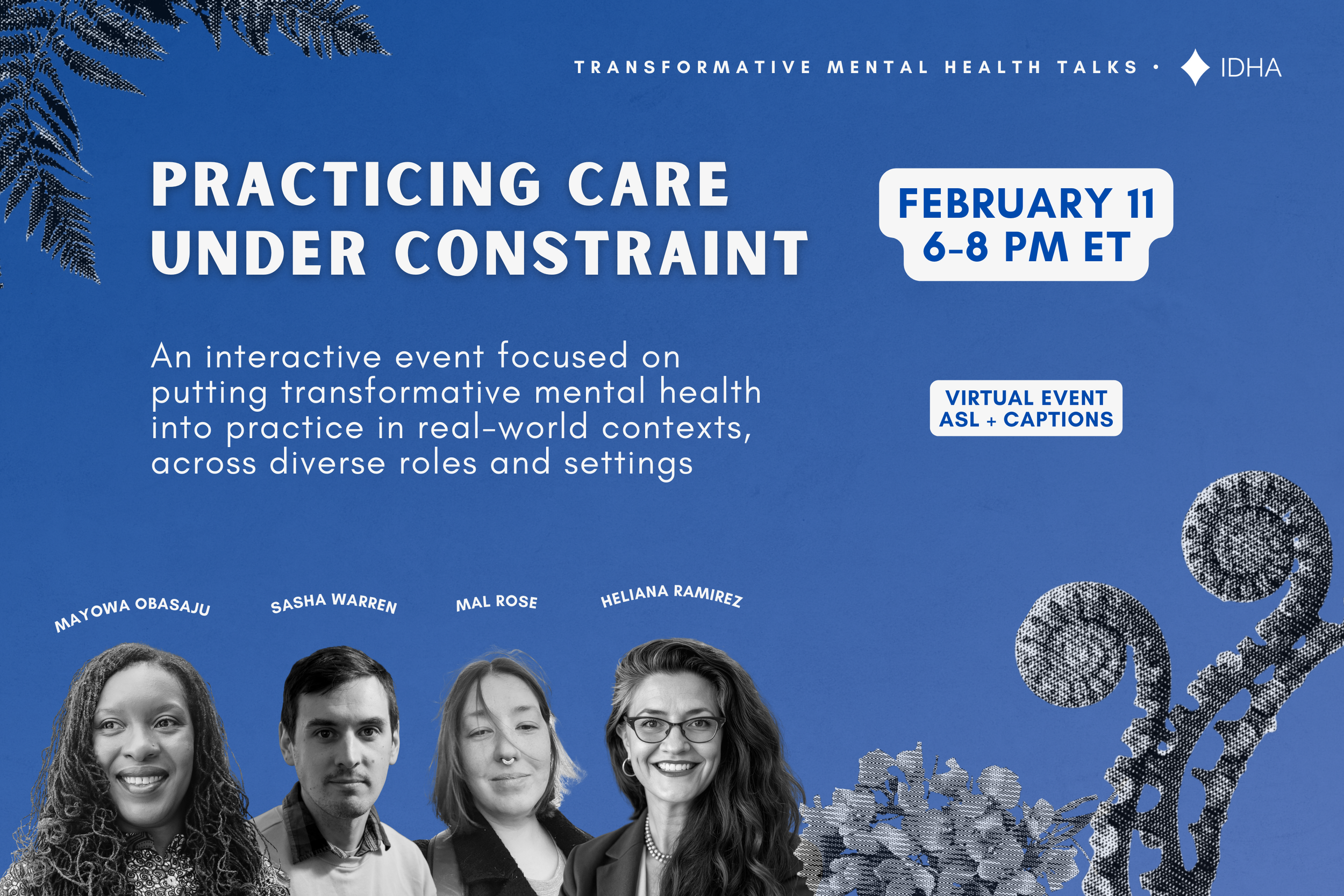
Transformative Mental Health Talks: Practicing Care Under Constraint
About the Series
This event is part of an ongoing talk series inspired by IDHA’s Transformative Mental Health Core Curriculum. It features curriculum faculty and collaborators and dives into timely topics that intersect with our transformative mental health lens. Learn more about the series and access past recordings here.
About the Event
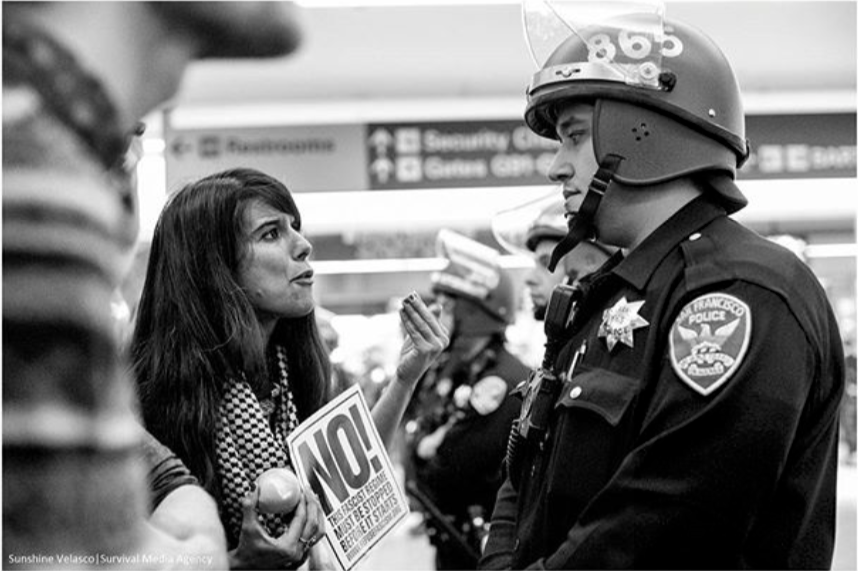
In a time of acute and prolonged state violence, we are increasingly being called to rethink what care practice actually requires. Struggles for justice are being waged within and beyond institutional settings and it has become clear that we need adaptive, everyday forms of support that transcend theory and can respond to rapidly shifting sociopolitical conditions. What does it look like to provide meaningful support when the stakes for individuals and communities are so high? How can support skills be mobilized in service of liberation, without reproducing harm? These questions are not theoretical. They are shaping how care is practiced, negotiated, and contested right now.
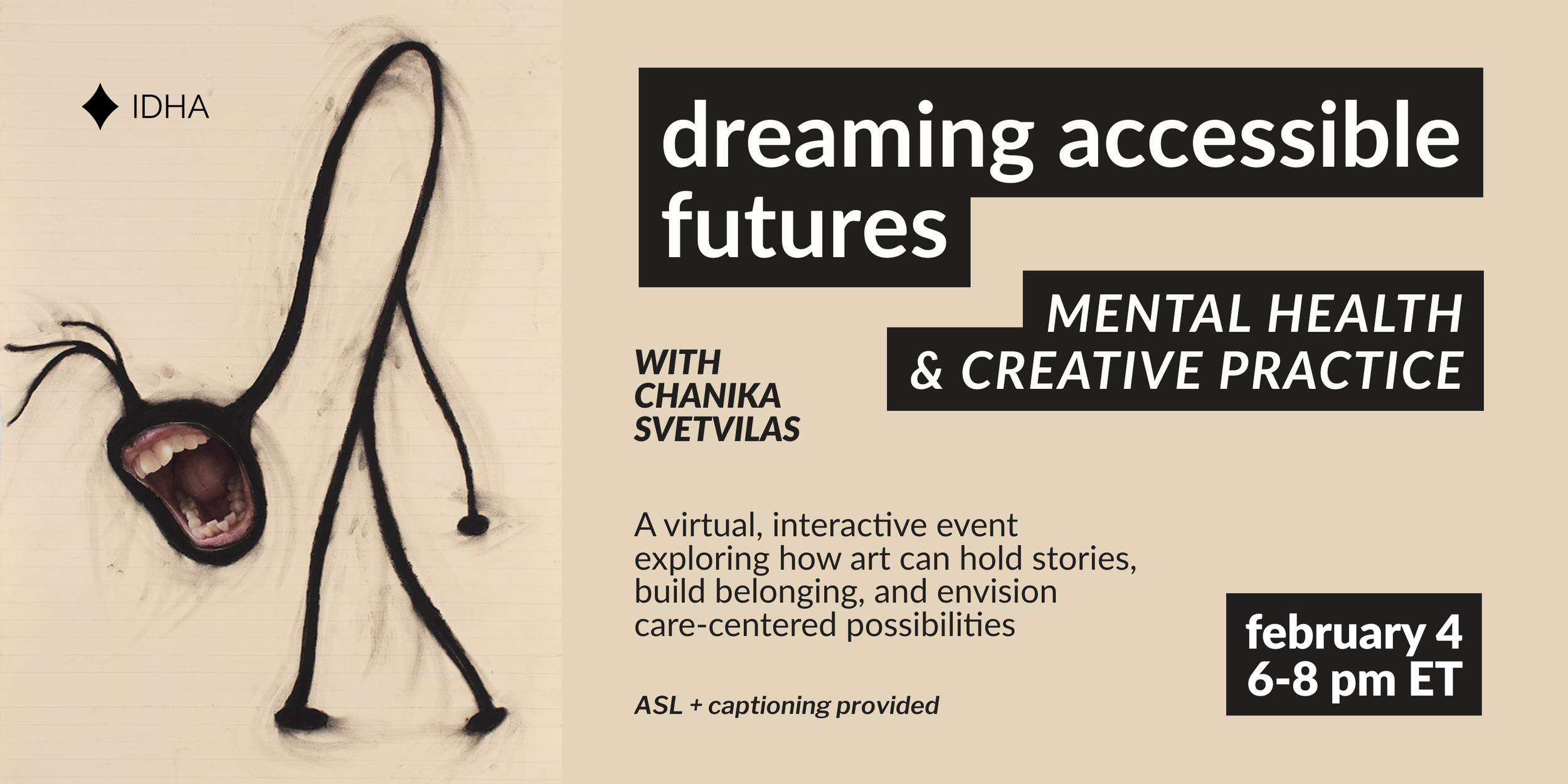
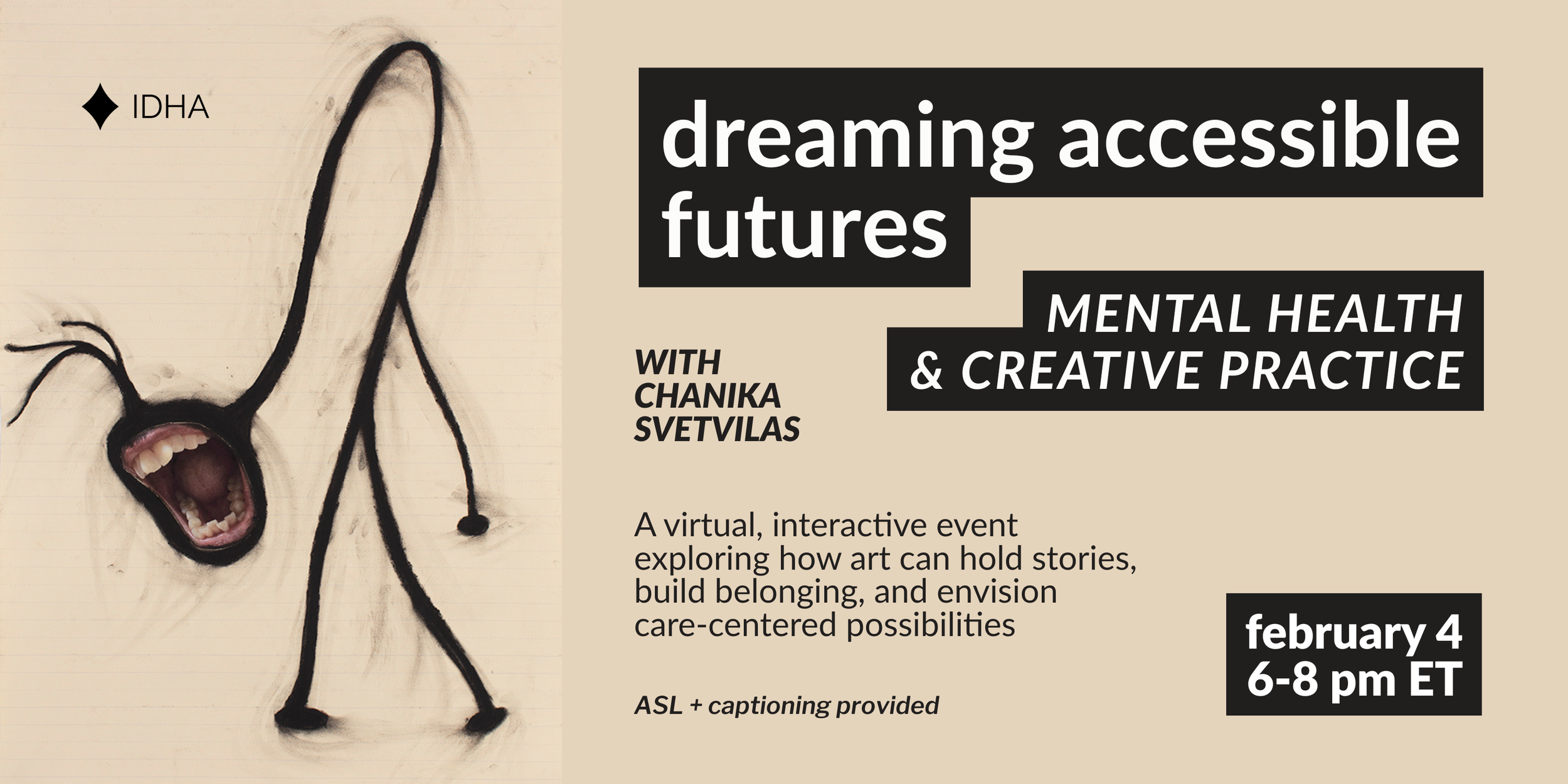
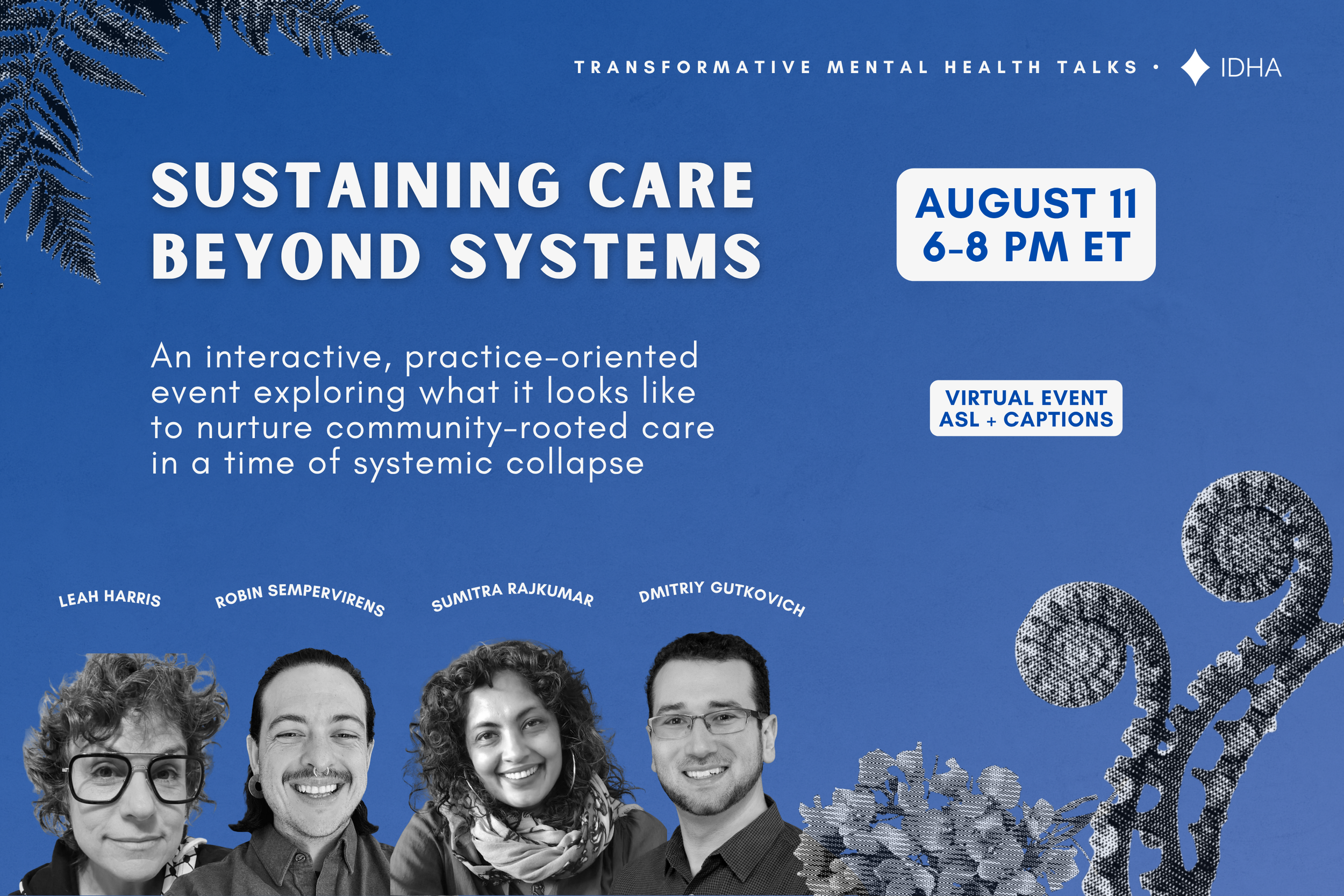
Join IDHA on Wednesday, February 11 for an interactive event focused on putting transformative mental health into practice in real-world contexts, across diverse roles and settings. The event will open with a grounding panel conversation exploring what it looks like to practice care in a time of expanding carcerality, mass grief, and deepening social and political fracture. From there, participants will move into facilitated breakout discussions anchored around key practice tensions – including sustaining care in the face of grief and burnout, resisting harmful norms and co-optation, and navigating ethical care within oppressive systems. Designed for practitioners, organizers, and others working across shifting roles and settings, this discussion-oriented gathering invites collective reflection, honest grappling, and shared learning. We’ll close with a collective harvest, honoring what becomes possible when these questions are held together rather than in isolation.
This event is open to mental health workers and clinicians, researchers, educators, activists, survivors, peers, current and prior service users, writers, artists, and other advocates – anyone who is interested in exploring the link between personal and societal transformation.
Register in advance via Eventbrite to join. After registering, you will receive a confirmation email containing information about how to join.
Donations
IDHA is a small organization that strives to meet the accessibility needs of our community to the best of our ability. Our events are by tiered suggested donation to ensure we can provide closed captions on our events and other programs, though we strive to never turn anyone away. We appreciate donations of any size for those who have capacity to give.
Access
ASL interpretation + automated closed captioning will be provided. The event will be recorded and shared with all registrants. Please submit any additional access needs to contact@idha-nyc.org.
Panelist/Facilitator Bios
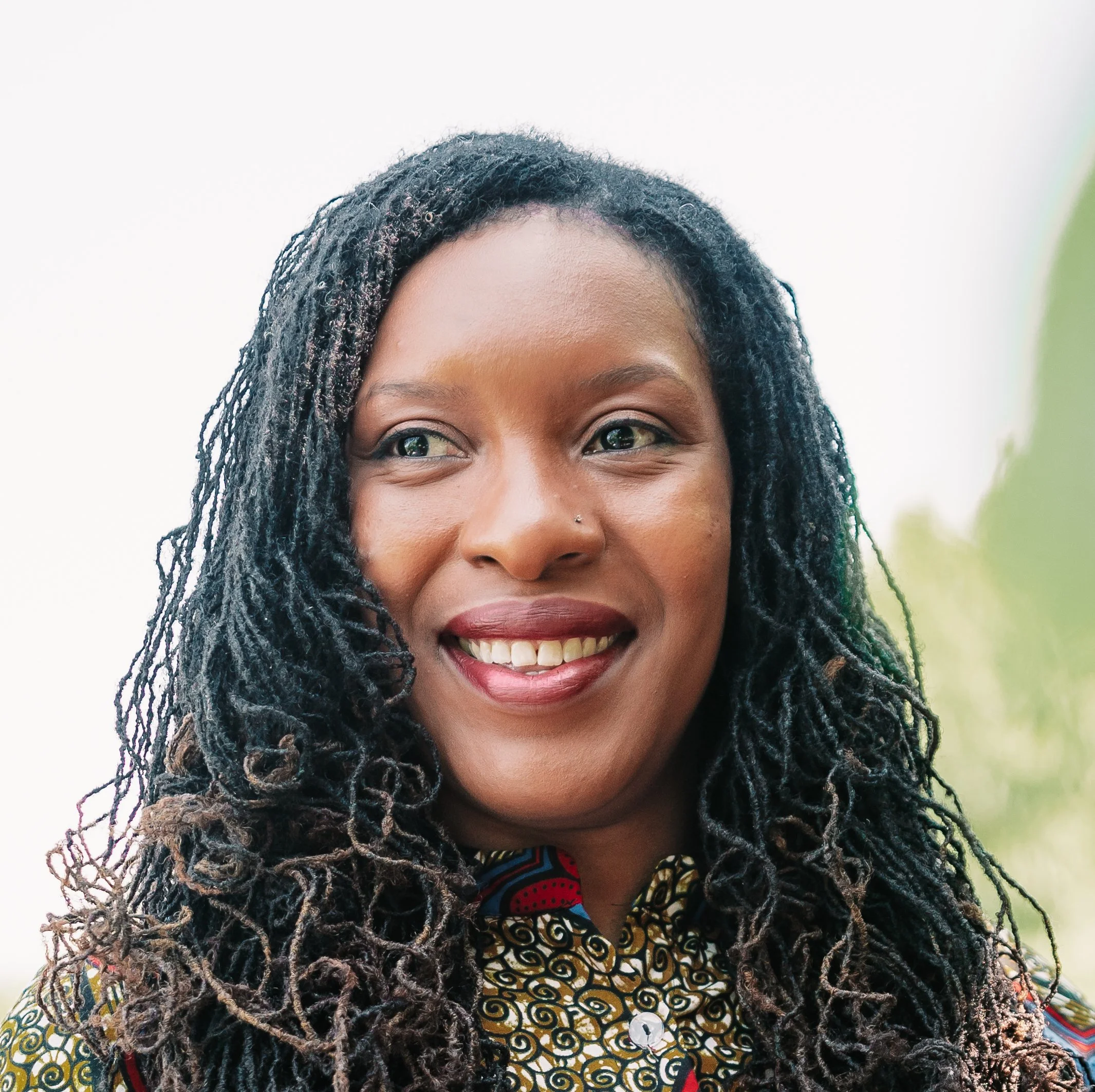
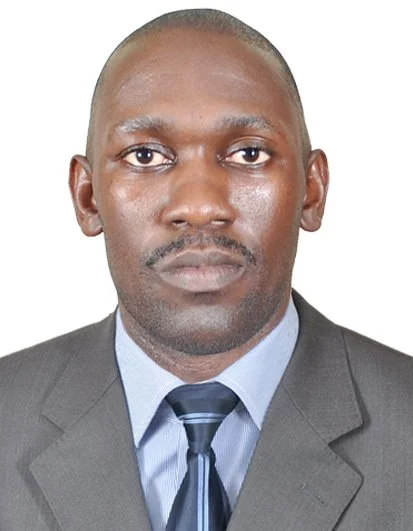
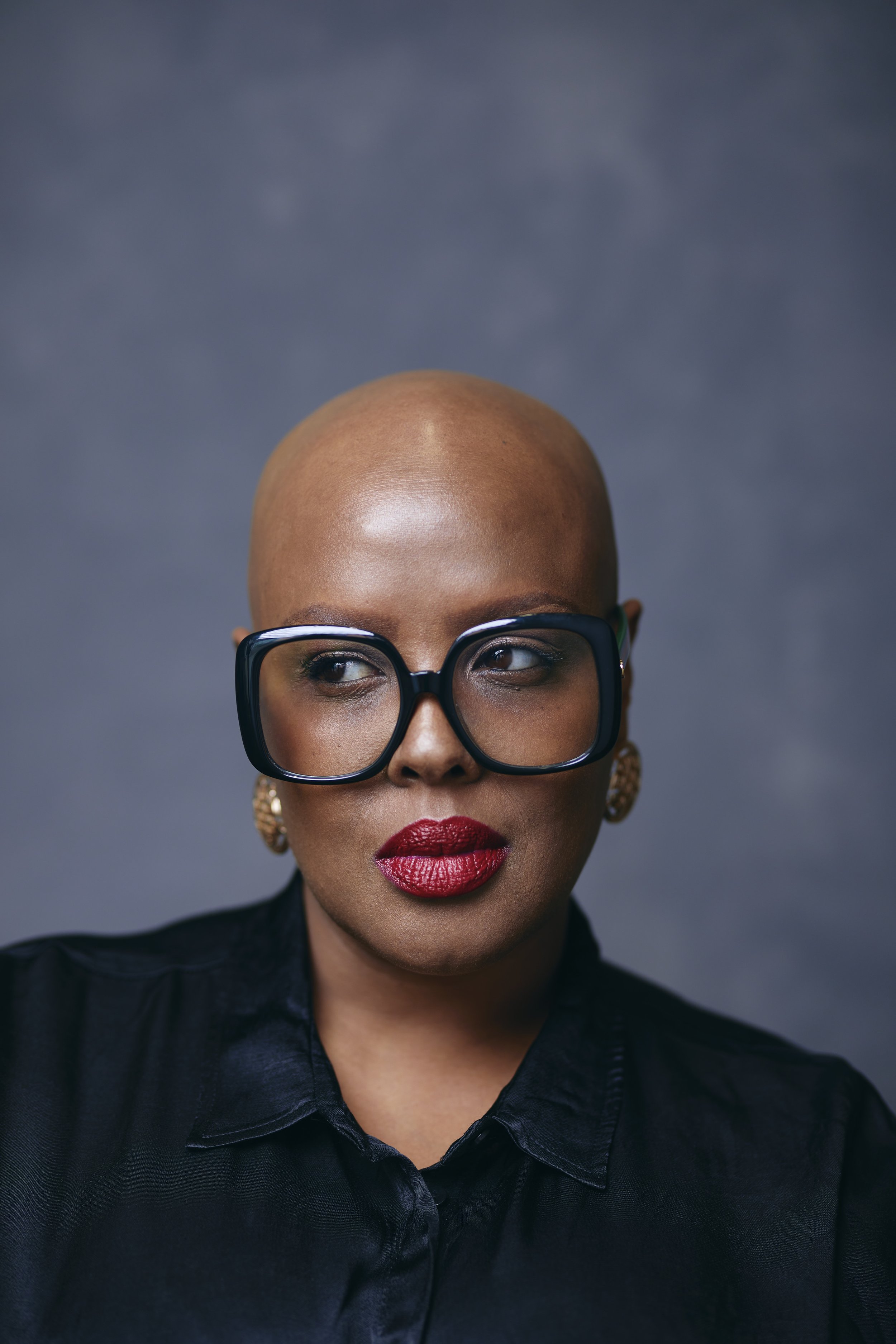
Mayowa Obasaju
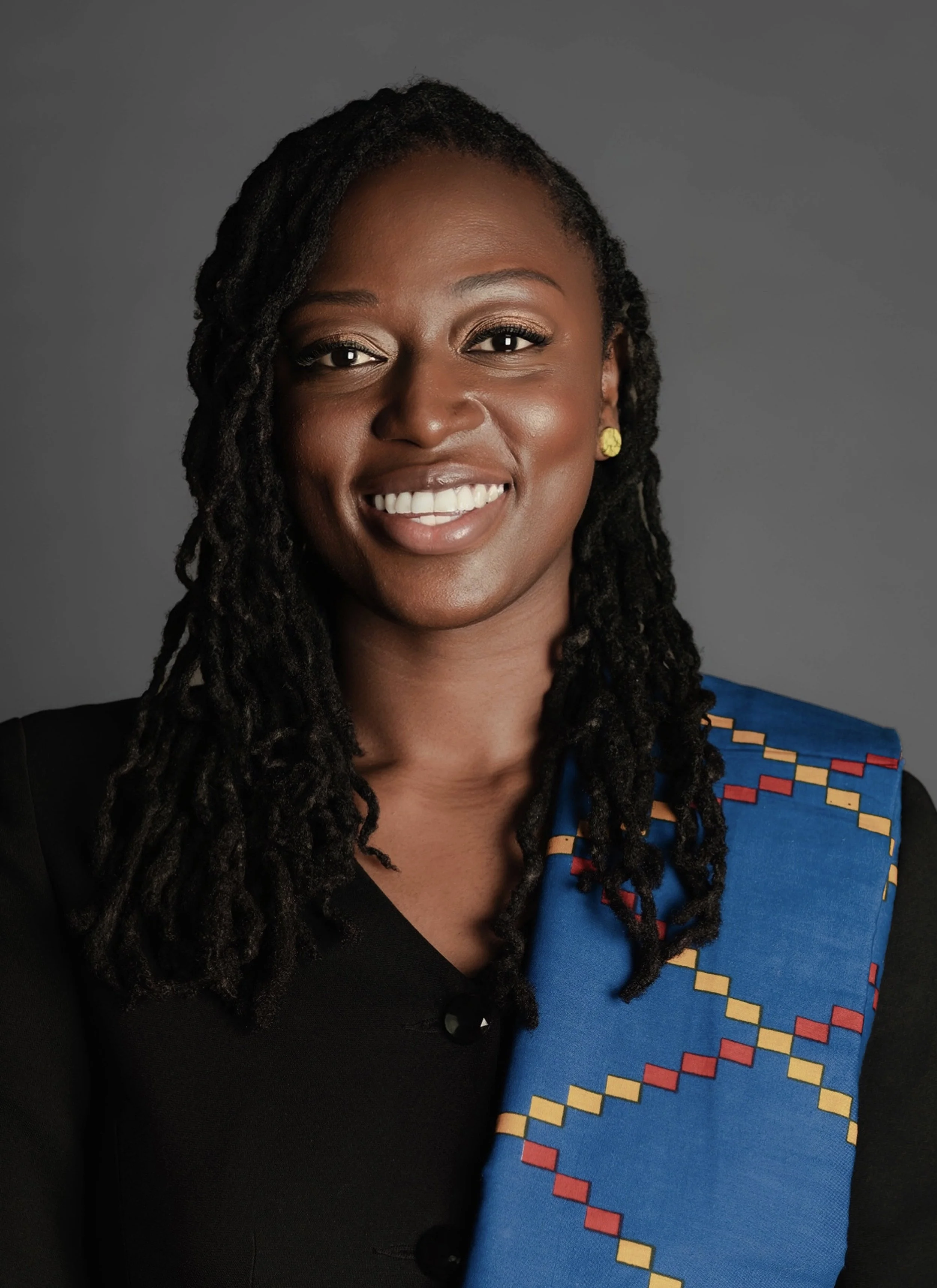
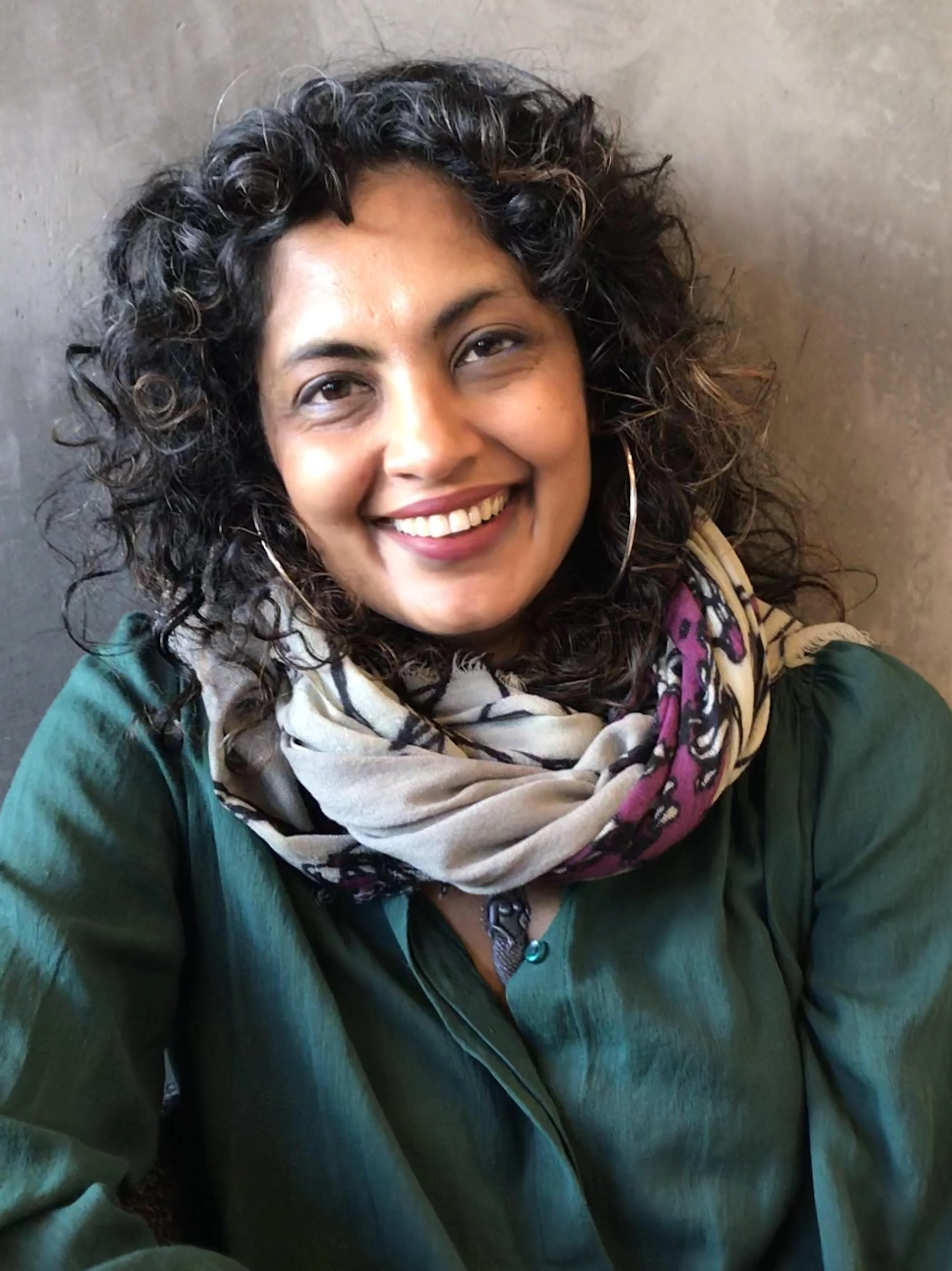
Mayowa Obasaju, PhD (she/her), is a Black, Nigerian born, American raised, pansexual, cis gender woman, clinical and community, trauma and healing focused womanist and liberation psychologist, trainer, and educator. Mayowa brings over 15 years of clinical, organizing, teaching, and training experience centering the intersectional and complex experiences of Black Indigenous and People of Color (BIPOC) communities. She works at the nexus of trauma and healing work, self-in-community care practices, systemic and intersectional analysis, critical consciousness raising, anti-oppressive and liberatory practice. Mayowa works with people experiencing infertility, birthing people, parenting people and those who experience postpartum mental health difficulties. She is a mother of two, partner, daughter, sister and lover of music and dancing. She is a member of Harriet’s Tracks and Black Feminist Futures.
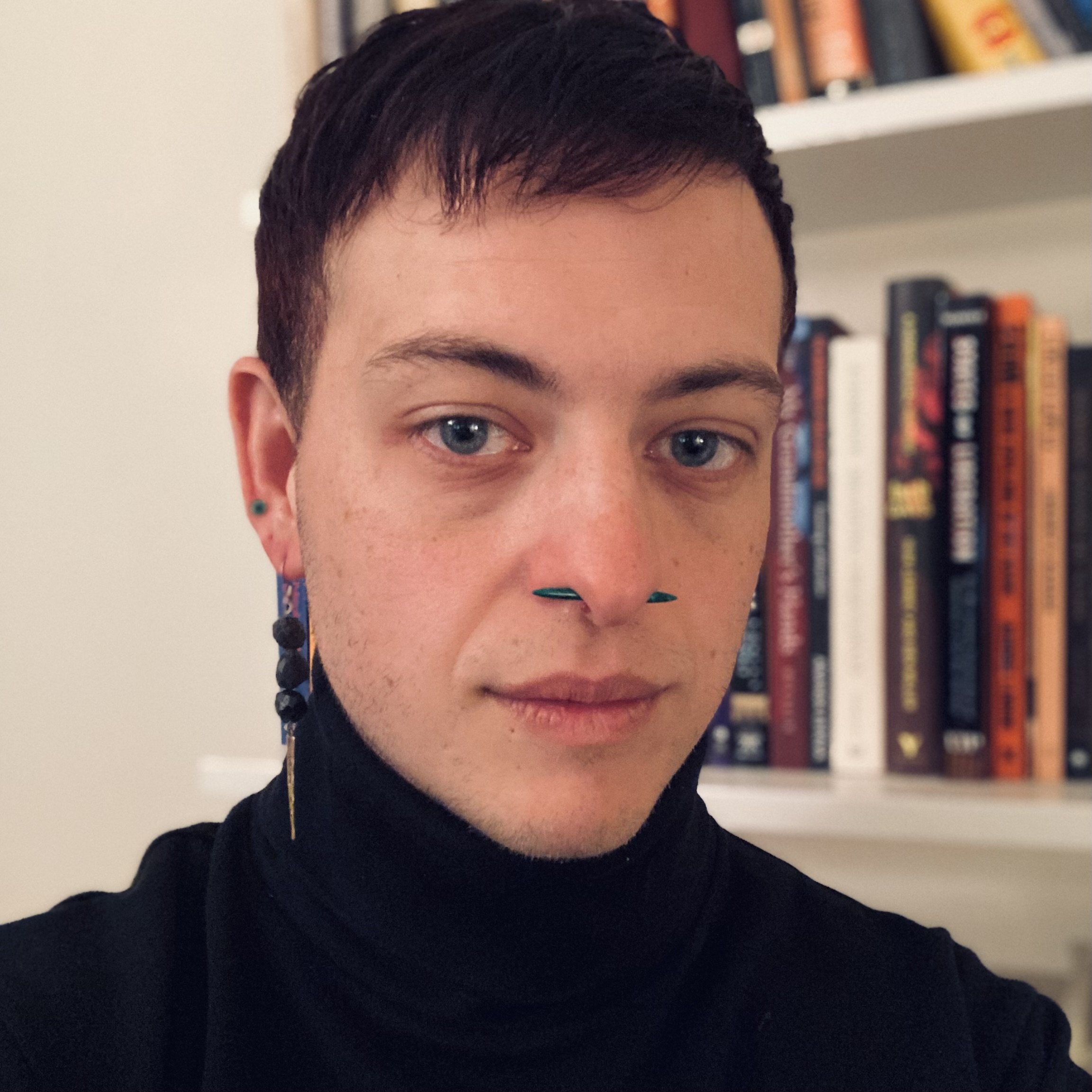
Sasha Warren
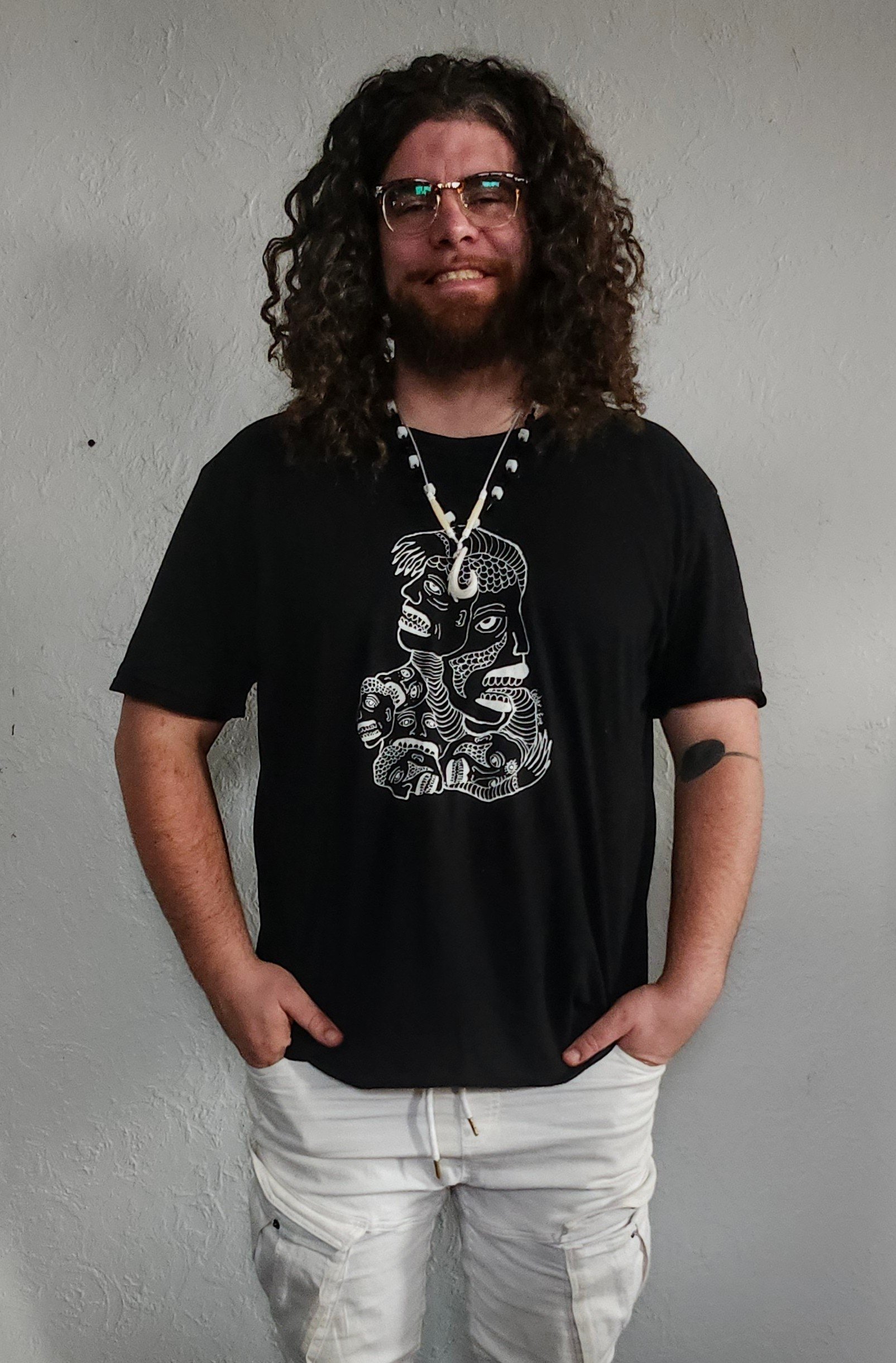
Sasha Warren is a writer and community mental health worker living in Minneapolis. In March, 2024, he released his first book Storming Bedlam: Madness, Utopia, and Revolt on the history of the revolutionary and reactionary politics of psychiatry with Common Notions. He is the co-founder of the Minnesota chapter of ISPS-US and of Hearing Voices Twin Cities. He writes on psychiatric history, policy, and law on his substack Of Unsound Mind and helps maintain a digital archive of documents associated with the Network of Alternatives to Psychiatry. He is currently working on his second book on the political economy of psychiatry and the family.

Mal Rose
Mal Rose (they/she) is a Grief tender, writer, speaker, educator, consultant, and strategist. As a queer, multi-violence survivor and forever-student of community peacebuilding and transformative mental health care, their work exists at the intersection of grief, justice, and liberation. The spaces they tend invite critical, creative, and collaborative explorations of the role of grief, and the consequences of its suppression, in shaping all aspects of our cultural, social, spiritual and political systems. Informed by a heart-led belief in the ability of grief care to change our world for the better, they help individuals and organized groups craft sustainable systems of grief-engaging, liberation-oriented, care.
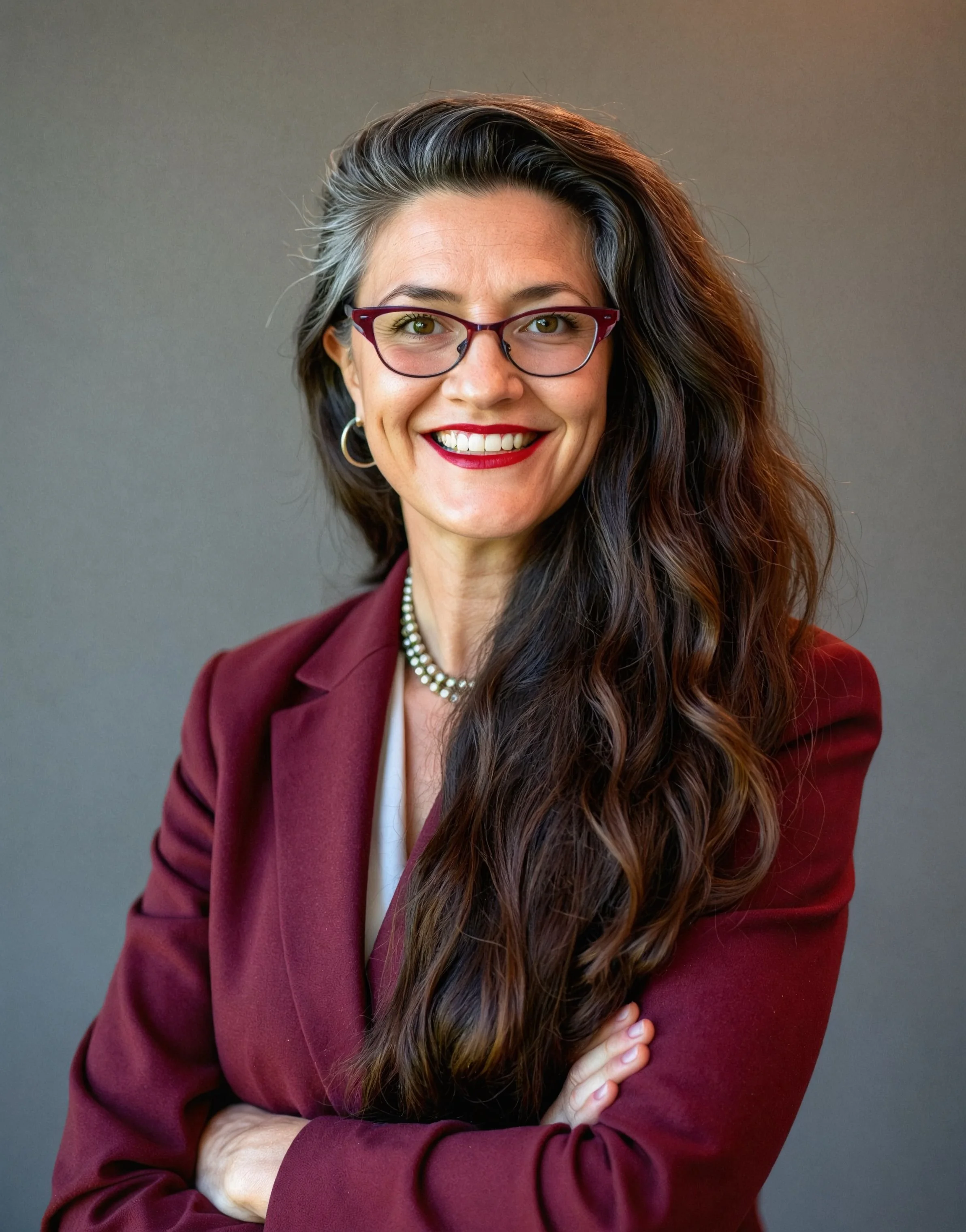
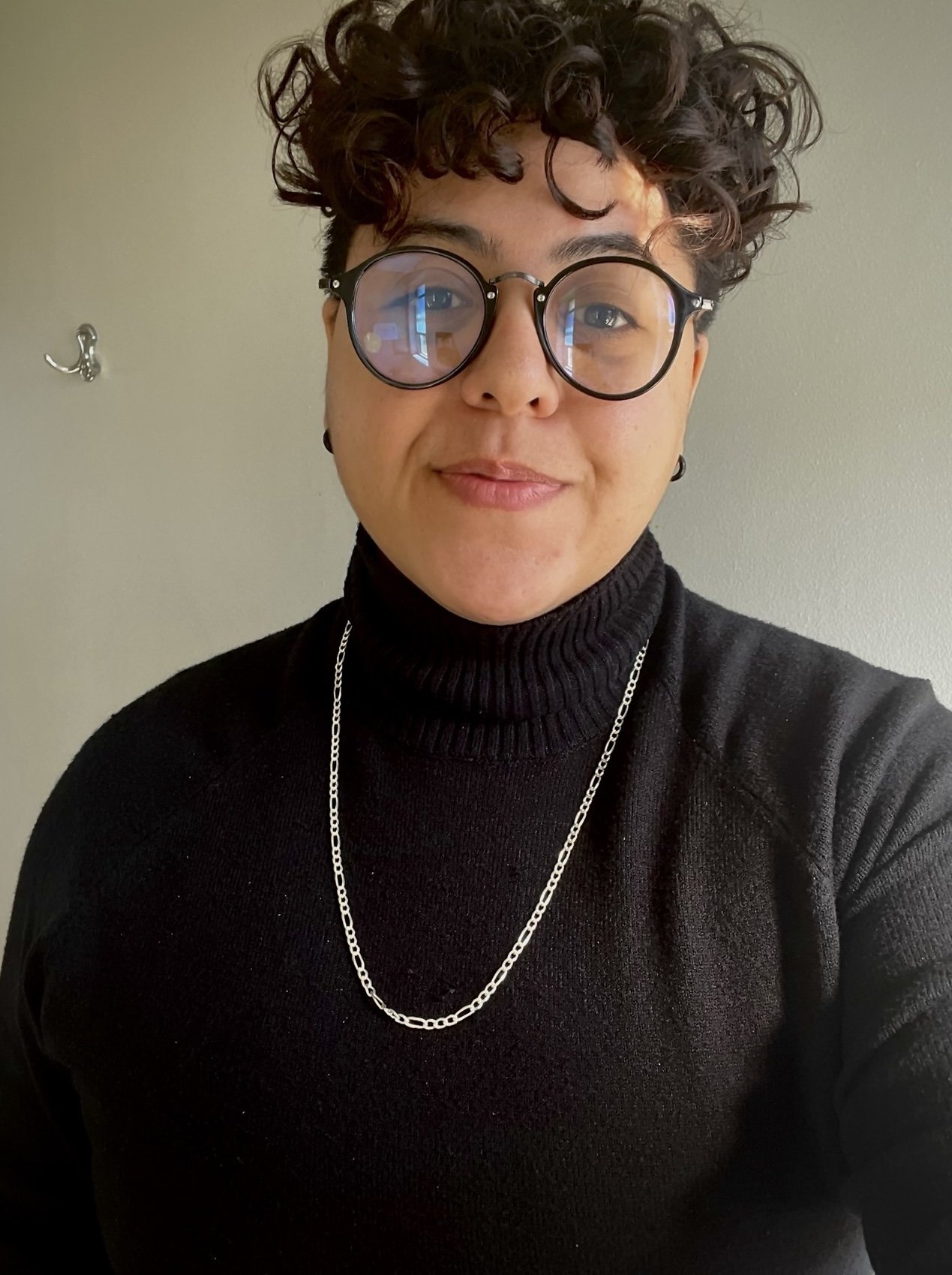
Heliana Ramirez
Heliana Ramirez, PhD, LISW, RSW is a Queer Xicana anti-racist, abolitionist, and harm reductionist researcher, therapist, coach, and expert witness who helps BIPOC, LGBTQ+, pregnant, and dis/abled employees defend against workplace abuse. Heliana uses neuroscience, employment anti-discrimination law, and somatic practice to address Racial Battle Fatigue and Race-based Traumatic Stress. Considering intergenerational racialized labor trauma, inauthentic allyship in white collar workplaces, and the weathering effect of daily stress in predominantly white education systems, workplaces, healthcare, and the law, Heliana works with clients to inventory injuries to their physical, mental, and spiritual health. Clients are supported to create personalized workplace trauma recovery plans that build on their own nervous system regulation, cultural practices, personal value systems, and professional goals. Heliana's personal, professional, and ancestral experiences of trauma and recovery are used to disrupt stigma and fight for justice.